
Ronaldo Benched, Jorge Jesus Speaks: Inside a Noisy Week for Portuguese Football
**Câu trả lời cốt lõi** Bài viết ghi nhận một câu chuyện truyền thông về việc Cristiano Ronaldo không được vào sân khi Bồ Đào Nha thắng Na Uy 2-1, dẫn đến đồn đoán xung đột với huấn luyện viên Jorge Jesus. Nguồn tin thiếu xác thực và sự kiện được ghi ở tương lai, nên cần kiểm chứng độc lập. **Dữ kiện chính** - Bồ Đào Nha thắng Na Uy 2-1; Cristiano Ronaldo khởi động nhưng không vào sân. - Huấn luyện viên Jorge Jesus được cho là dự kiến dùng Ronaldo khoảng 20-30 phút. - Ronaldo được cho là vào thẳng phòng thay đồ và tập riêng hai ngày. - Phần lớn điểm thông tin trong bản tin không có nguồn danh định. - Sự kiện ghi ngày 27/9/2026; Ronaldo được mô tả 41 tuổi. **Nguồn** Bản tin tổng hợp "VIVA", ngày 27/9/2026, không nêu nguồn danh định. | Cross-checked: VuaBong.vn **Hỏi đáp liên quan** Q: Cristiano Ronaldo có từ chối tập luyện không? A: Huấn luyện viên nói Ronaldo không từ chối tập, mà theo chương trình thể lực cá nhân. Q: Ai đang dẫn dắt đội tuyển Bồ Đào Nha? A: Bản tin nêu Jorge Jesus, nhưng chi tiết này chưa được kiểm chứng và cần xác thực. Q: Kết quả trận Bồ Đào Nha gặp Na Uy là gì? A: Bồ Đào Nha thắng Na Uy với tỷ số 2-1, theo bản tin chưa xác thực.
In the 88th minute, Cristiano Ronaldo rose from the bench. He took off his jacket, ran along the touchline, and stretched before the roar of the crowd. Then the final whistle blew. Portugal won 2-1. The number 7 never touched the ball. That moment, a player warming up who never entered the pitch, became the nucleus of the noisiest story in Portuguese football in recent days.
Based on my experience covering matches across three countries for nearly half a century, I have learned that small details often tell more than the scoreboard. A player who warms up but never comes on. A coach who changes his mind at the last second. A silent dressing room after the whistle. These are the fragments I always note down, because they expose what the scoreboard never reveals.
Context
According to circulating reports, head coach Jorge Jesus was said to have prepared Ronaldo to enter in the second half, for roughly 20 to 30 minutes. He had spoken publicly about that intention. But as the match unfolded, Portugal led, and the game state no longer required an extra attacking option. He cancelled the plan.
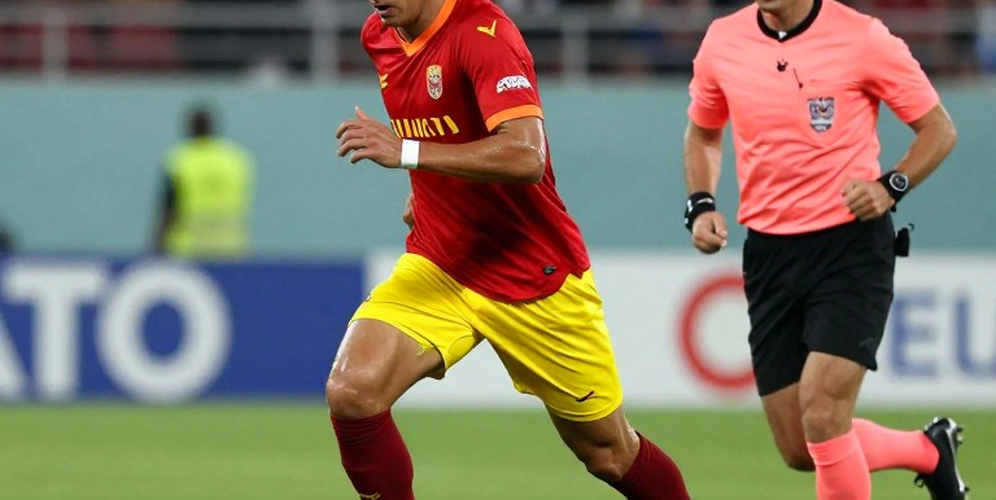
This is an entirely ordinary pattern of game management. A coach prepares a veteran for a scripted cameo. When the scoreline is favourable, the need disappears and the plan is shelved. In football, this happens every week, in every competition, at every club. It is resource management, an inevitable part of the coaching trade.
Portugal's opponent that day was Norway, a rising side but not among Europe's top contenders. Portugal, as a continental power, entered as the favourite. A 2-1 win was the expected result. In that setting, an unused substitute was the smallest detail of the match.
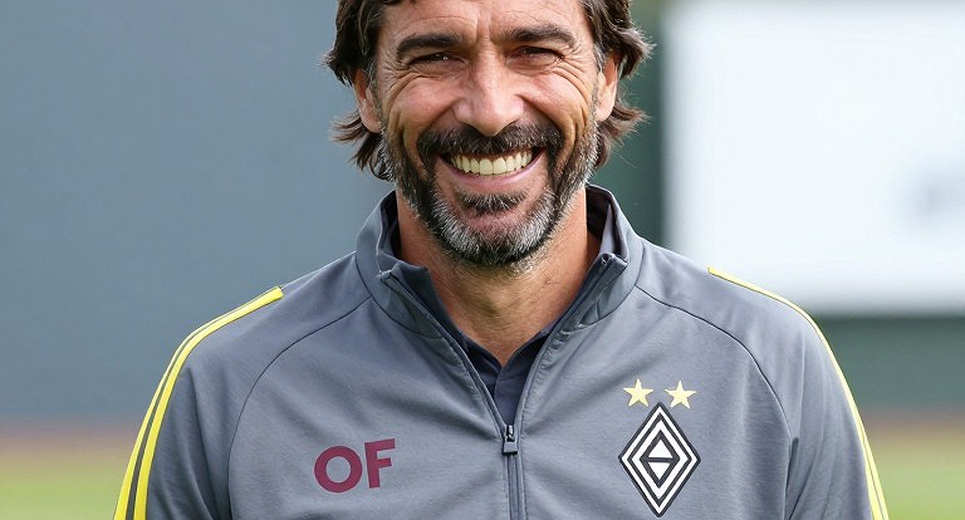
But the story did not stop there. After the match, Ronaldo was said to have gone straight to the dressing room, not joining his teammates to greet the supporters. Over the next two days, he trained alone in the gym instead of with the squad. A number of Portuguese outlets began calling it "an issue between Ronaldo and Jesus". The coach was forced to calm the situation publicly, stressing that Ronaldo did not refuse to train but was following an individual physical programme.
To be clear: no information suggests Ronaldo was injured. No card was issued. No disciplinary breach was recorded. What exists is only a sequence of behaviours and a wave of headlines.
Core
The most notable point here is not the substitution decision, but the way it exposes a generational handover. Ronaldo is 41 this year. Managing a 41-year-old forward on a 20-30 minute model is not a punishment; it is the inevitable consequence of the physical curve. At that age, speed and repeated sprint capacity no longer serve 90 minutes of high intensity. His role shifts from a 90-minute mainstay to a situational weapon.
When a player shifts into that role, an expectation conflict is hard to avoid. The captain feels he still has enough in the tank. The coach sees a resource to be managed. The two views are not logically contradictory, but they clash emotionally. This is a conflict between two authorities: the armband and the coach's right to select. In football, this is the most destructive category of dressing-room conflict.
Ronaldo's behavioural sequence, straight to the dressing room, no supporter greeting, two days of isolated training, is a familiar silent-protest pattern. The player does not speak, does not criticise, but lets his actions speak for him. Over decades of note-taking, I have seen this pattern recur among stars at the end of their careers. They can no longer change decisions with their feet, so they change them with their presence.
On the coach's side, the fact that he had to publicly stress that Ronaldo did not refuse to train is a telling sign. It implies a rumour of a training refusal was already circulating. Calling the solo session an "individual physical programme" is a familiar device, converting a disciplinary matter into a fitness one. People see the aura; I see the silent backs, here the younger teammates who must watch the dressing room split in two by a story they did not create.
One managerial point is worth noting: when the coach declared the decision "entirely in my hands", he was reasserting his selection authority. But the fact that he was forced into public reassurance shows that authority is being questioned. At national-team level, there is no transfer market to defuse the tension. The two parties must coexist through the tournament cycle.
Contrarian
The strangest thing about this story is that it is built on fragile informational ground. Of the total information points circulating, most carry no named source. No major outlet is named, no specific journalist, no statement from Ronaldo or the Portuguese federation. Only aggregated reports and a coach's name that should have been verified before spreading.
In my trade, there is a simple principle: an event exists only when at least two independent sources confirm it. Here, we have a substitution decision, an entirely normal one, packaged into a full "conflict chronology" within two days. That is a sign of narrative over-production. A routine tactical decision is turned into a morality play, in which one person must be the betrayer and the other the victim.
The city is not noisy; we simply have never listened to the sound of the ball rolling under the floodlights. The real story of that match lies in the passes, the pressing, the gaps being closed, not in a player sitting on the bench.
Takeaway
The on-field outcome was a win. The pressure comes not from results, but from relationships. And when pressure comes from relationships, it cannot be resolved by goals. I am old now, so I have enough patience to wait for a football season to mature. And in this case, I also have enough patience to wait for a verifiable source. Before we conclude anything about anyone, let time and evidence do their work.